

What Kindergartners Learn in Math: A Guide for NC Parents
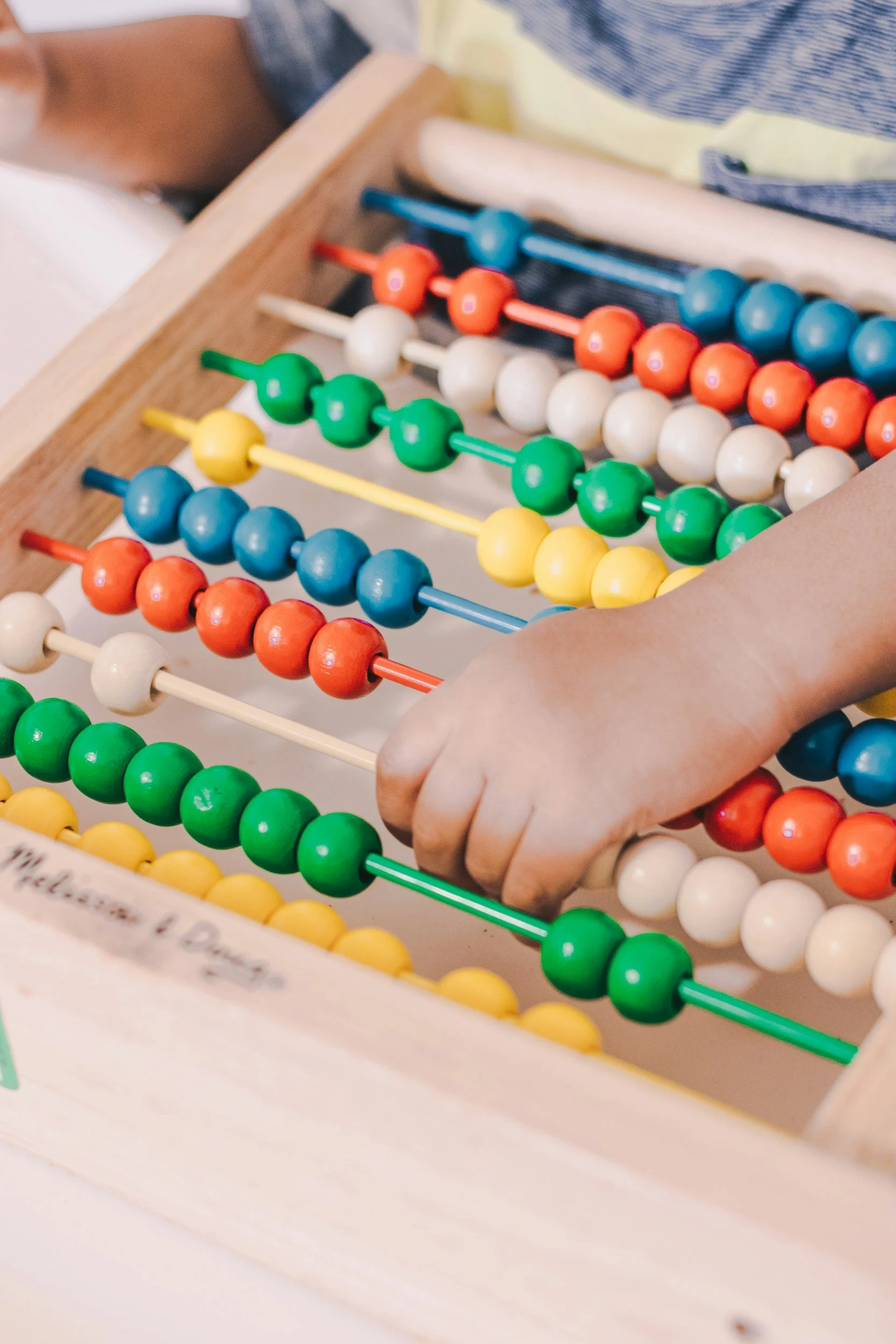
Kindergarten math sets the foundation for every math skill a child builds on for the next twelve years. Across North Carolina, kindergarten students are expected to master specific number sense, counting, and early geometry skills before moving on to first grade. Many parents are surprised by how much reasoning and problem solving is packed into this first year of school math.
As a parent, knowing exactly what your child should be learning helps you support them at home and catch any gaps early. Here is a breakdown of what kindergarten math covers in North Carolina, plus a few ways you can help your child succeed. You do not need a background in teaching to make a real difference at home.
This guide walks through the counting, addition, subtraction, and geometry skills your child should know by the end of the year, along with a few signs that extra support could help.
What Counting and Number Sense Looks Like in Kindergarten 🔢
Kindergartners in NC learn to count to 100 by ones and tens, and to count forward from any given number. They also work on recognizing numbers up to 20 and understanding what a number actually represents, not just reciting it. They also practice comparing groups of objects to figure out which group has more or fewer.
This is one of the most important skills of the entire year. A child who understands quantity, not just number names, has a much easier time with addition and subtraction later on. Simple habits like counting steps on a walk or items in a grocery cart reinforce this skill without feeling like homework.
You do not need special materials to practice at home. Dice, playing cards, and measuring cups during meal prep are all simple tools for building number sense in a natural way.
Addition and Subtraction Basics for 5 and 6 Year Olds ➕
Kindergartners are introduced to simple addition and subtraction within 10, usually through objects, drawings, or fingers before moving to numbers alone. The goal is not speed, it is understanding what it means to combine or take away groups of things. Teachers often use ten frames and counters in the classroom to make these ideas visual before children move to numbers on paper.
Parents can reinforce this at home with everyday objects like snacks, toys, or coins. Asking how many are left after taking a few away is a simple, natural way to practice. Keeping the numbers small and the mood relaxed helps kids build confidence instead of math anxiety.
As the year goes on, teachers add word problems that ask children to decide whether to add or subtract. Reading the problem aloud together and asking your child to explain their thinking can make these problems much easier to understand.
Shapes, Patterns, and Early Geometry 🔷
Kindergarten introduces basic shape recognition, both two dimensional and three dimensional, along with sorting and simple patterns. Students learn to describe shapes by their attributes, like the number of sides or corners. They also begin comparing shapes by size and describing their position, such as above, below, or next to another object.
This might seem simple, but shape and pattern recognition builds the spatial reasoning students need for geometry years down the road. Puzzles, building blocks, and simple sorting games at home are fun ways to strengthen these skills outside of the classroom.
Kindergarten teachers often connect shapes to everyday objects, like a stop sign for an octagon or a clock for a circle. Pointing out shapes during daily routines is an easy way to help the concept stick.
How to Know if Your Child Is On Track 📘
The best way to know exactly what your child should master is to look at the NC DPI Kindergarten Math Parent Guide. North Carolina publishes parent and caregiver guides specifically to help families understand grade level expectations without needing a teaching background. These guides are free and available to any parent who wants a clear picture of what to expect.
If your child is struggling with any of these skills, it does not mean something is wrong. Early math can click at different speeds for different kids, and a little extra support goes a long way at this age. If you are ever unsure, reaching out to your child’s teacher or a tutor for guidance is always a good next step.
It also helps to talk with your child’s teacher at conferences or by email if you notice consistent struggles. Teachers can point you to the exact standards that need more practice at home.
How Early Math Tutoring Can Help Your Child Build Confidence 🎯
A tutor who understands NC kindergarten standards can pinpoint exactly where your child needs support, whether that is number sense, counting strategies, or early addition. Catching small gaps now prevents bigger struggles in first and second grade. This kind of individualized attention is hard to replicate in a full classroom with twenty or more students.
At It All Adds Up Tutoring, we build a personalized plan based on where your child is right now, not a one size fits all worksheet packet. We also keep you updated on progress so you always know how your child is doing.
We offer both online and in-person sessions across North Carolina, so you can choose whichever fits your family’s schedule best.
📅 Ready to see where your child stands:
Why Starting Early Makes a Difference for NC Students 🌟
Math confidence built in kindergarten tends to carry forward. Students who feel capable early on are more willing to try challenging problems later instead of shutting down. That kind of confidence tends to carry over into other subjects too, not just math.
Whether your child needs a little extra practice or you just want peace of mind that they are on track, support is available across North Carolina, online and in person. Every child learns at their own pace, and there is no wrong time to ask for a little extra support.
As your child moves into first grade and beyond, the skills they build now will keep showing up in new ways, from bigger numbers to more complex word problems.
📘 See how we support students beyond kindergarten:
