

What First Graders Learn in Math: A Guide for NC Parents
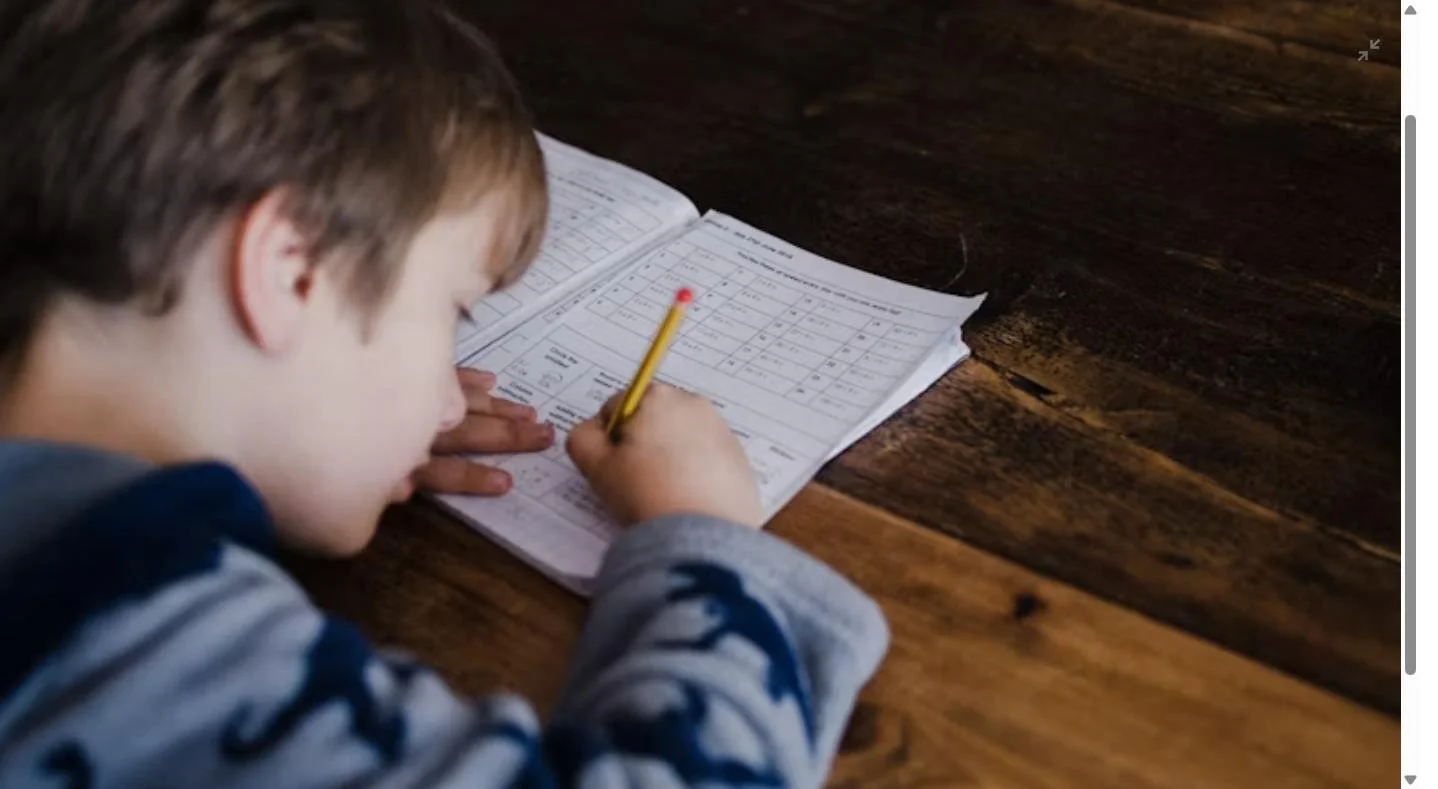
First grade math builds directly on the number sense and counting skills kids develop in kindergarten, and it is the year numbers really start to take off. NC first graders move from simple counting into real addition and subtraction, bigger two digit numbers, and their first experience telling time and using money. Many parents notice this jump and wonder if their child is keeping up.
Knowing exactly what NC first graders are expected to learn helps you catch small gaps before they turn into bigger struggles later on. Here is a look at what first grade math covers, plus a few simple ways to reinforce it at home. You do not need to be a math person yourself to help your child feel confident with these skills.
This guide walks through addition and subtraction, place value, measurement, time and money, and early geometry, along with a few signs that a little extra support could help.
What Addition and Subtraction Looks Like in First Grade ➕
First graders work on solving addition and subtraction problems within 20, building on the simple combining and separating they learned in kindergarten. By the end of the year, NC standards expect students to add and subtract within 10 fluently, meaning without needing to count on their fingers every time. Teachers introduce strategies like counting on, making ten, and using doubles facts to help this fluency grow naturally.
At home, practicing with small numbers and everyday objects works best. Asking your child how many crackers are left after eating a few, or how many toys are on the table after adding more, turns abstract math into something they can picture.
Try to keep practice short and low pressure. A few relaxed minutes most days does more for fluency than one long, stressful session a week.
Counting, Place Value, and Bigger Numbers 🔢
Kindergarten math mostly stops around number recognition to 20, but first grade takes counting all the way past 100. Students learn to count forward from any number, extend the counting sequence, and start building an understanding of place value, meaning what the tens digit and ones digit in a two digit number actually represent.
This is a big leap in thinking. Understanding that the 2 in 24 means two groups of ten, not just the number two, is one of the most important ideas in first grade math, and it sets the stage for all the multi digit addition and subtraction to come.
Building towers of ten with blocks, or counting objects into groups of ten with leftover ones, is a simple, hands on way to make place value click at home.
Time, Money, and Measurement Skills ⏰
First graders are introduced to telling time to the hour and half hour on both analog and digital clocks, along with identifying coins and their values. These are practical, everyday skills that connect math class to real life almost immediately.
Measurement also becomes more hands on this year. Students measure the length of objects using non standard units, like paper clips or blocks, before moving on to rulers in later grades.
Pointing out the clock throughout the day, letting your child help count coins for a small purchase, or measuring objects around the house with a favorite toy as the unit are all easy ways to reinforce these skills without extra worksheets.
Shapes, Fractions, and Early Geometry 🔷
Building on kindergarten shape recognition, first graders learn to build and identify both 2-D and 3-D shapes and describe their attributes in more detail. They also take their first step into fractions by learning to partition circles and rectangles into two and four equal shares.
Understanding that splitting a shape into equal parts is the foundation of fractions helps set up years of math to come, well before students ever see the word fraction written down formally.
Cutting a sandwich into equal halves or quarters, or sorting household objects by their shape and number of sides, are simple ways to bring this concept to life at home.
How to Know if Your Child Is On Track 📘
The NC DPI 1st Grade Math Parent Guide breaks down exactly what your child should know by the end of the year, along with the strategies and vocabulary being used in the classroom. It is free and designed specifically to help parents follow along without a teaching background.
If your child is struggling with fluency, place value, or any of these concepts, it does not mean something is wrong. First grade covers a lot of new ground quickly, and kids pick it up at different speeds. Reaching out to the teacher for specifics on what to practice at home is always a reasonable next step.
A short conversation with your child’s teacher about which standards need more practice can point you toward exactly where to focus your time at home.
Ready to Strengthen Your Child’s Math Foundation 🎯
A tutor who understands NC’s first grade standards can quickly identify whether your child needs more work on fluency, place value, or another specific skill. Catching these gaps early prevents frustration in second grade and beyond.
We build a plan around exactly where your child is right now, not a generic worksheet packet, and keep you updated on progress along the way.
📅 Ready to see where your child stands:
Why Early Elementary Support Pays Off Later 🌟
First grade skills like fluency and place value show up again and again in second and third grade, so building confidence now really does pay off later. Whether your child needs a little extra practice or you just want reassurance that they are on track, support is available.
We offer both online and in-person sessions across North Carolina, so you can choose whichever fits your family’s schedule best.
📘 See how we support students beyond first grade:
